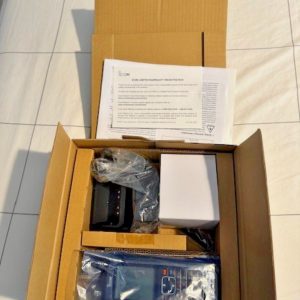
:::writingvariant="document" id="58314" ICOM IC-A25N Handheld NAV/COM Transceiver w/ Bluetooth – Open Box: Professional Aviation Backup Radio The ICOM IC-A25N Handheld NAV/COM Transceiver w/ Bluetooth – Open Box offers practical ICOM Pilot Radio cockpit, emergency, training, and ground-use functionality in a compact handheld format. For budget-conscious pilots, an open-box radio may provide a practical balance between modern functionality, reliable construction, and competitive purchase value. The ICOM IC-A25N Handheld NAV is suitable for users who want portable access to communication and navigation-related functions during flight preparation, cockpit operations, instruction, emergency planning, or airport ground activities. A capable ICOM IC-A25N Aviation Radio can provide additional confidence during flights, training activities, maintenance events, and ground operations. An ICOM IC-A25N Handheld Radio offers mobility that panel-mounted equipment cannot provide, allowing users to communicate from the aircraft, ramp, hangar, or operations area. As a Handheld NAV/COM Aviation Transceiver, the unit combines portable communication with navigation-related functions in one organized device. Whether the intended use involves a Handheld Aviation Radio, Aviation NAV/COM Radio, Pilot Handheld Radio, or Aircraft Communication Radio, dependable battery and antenna performance remain important. The product can support pilots seeking a Portable Aviation Transceiver, Aviation Navigation Radio, ICOM Pilot Radio, or dependable Backup Aircraft Radio.
Why Pilots Choose the ICOM IC-A25N Handheld Radio
This handheld transceiver offers pilots a convenient way to carry aviation communication equipment independently of the aircraft’s installed radio system. A handheld NAV/COM platform can serve as primary portable equipment in suitable operations or as supplementary equipment alongside panel avionics. Users should understand that portable-radio coverage can differ from panel-mounted equipment connected to an external aircraft antenna. Familiarity transforms a portable radio from stored equipment into a practical and dependable operational resource.ICOM IC-A25N Handheld NAV Features
The portable design allows pilots to become familiar with radio functions outside the aircraft before using the device in a busy operational environment. Aircraft owners may keep the radio available when maintenance temporarily removes power from installed communication equipment. Pilots should verify information using suitable aviation references and avoid relying on one portable device for every navigation decision. A complete preflight review can confirm that the radio is charged, configured, accessible, and ready to support the planned operation.Using the ICOM IC-A25N Aviation Radio
The radio may be useful to pilots operating aircraft with limited avionics, temporary communication problems, or different cockpit configurations. The radio may also be useful at aviation events, remote airfields, flight schools, maintenance shops, aircraft demonstrations, and airport operations areas. Current photographs should show the radio body, display, controls, connectors, antenna, battery, charger, packaging, and included components. The best purchase decision combines condition evidence, package completeness, seller credibility, secure payment, and documented delivery terms.ICOM IC-A25N Handheld Radio Portability
The handheld format allows the radio to move with the pilot between personal, rental, training, business, and club aircraft. The antenna should be protected from bending or crushing while the radio is transported with other equipment. Pilots can practice with the radio at home or in a classroom while following the applicable manual and operating guidance. Aircraft cabins and parked vehicles can reach temperatures that may affect batteries, displays, housings, and electronic components.Maintaining a Handheld NAV/COM Aviation Transceiver
A Handheld NAV/COM Aviation Transceiver combines portable communication and navigation-related capability within one device, making it useful for pilots who value multifunction equipment. Buyers should compare interface design, battery options, charging arrangements, antenna quality, accessory availability, display readability, audio performance, and operational needs. Users should keep the operating guide accessible until they can manage essential functions without hesitation. Regular care supports reliable operation, protects resale value, and reduces the risk of missing components.Maintaining a Handheld Aviation Radio
Handheld radios provide communication flexibility where panel equipment is unavailable, temporarily unpowered, difficult to access, or assigned to another aircraft. Pilots should avoid assuming that an unused radio stored for years will operate correctly without battery care and periodic testing. Users may experience improved range when the antenna has a clear position compared with operation deep inside a metal airframe or enclosed structure. The device should not be used for casual or unnecessary transmissions that could interfere with operational communications.Aviation NAV/COM Radio Applications
The combined platform can be useful during training because students can explore aviation radio functions with one portable device. Important features should be practiced on the ground before the radio is used during high-workload phases of flight. Users should distinguish between convenience features, backup capability, training value, and equipment required for a particular flight. Volume and squelch should be adjusted appropriately while avoiding unnecessary distraction.Pilot Handheld Radio Benefits
Flight instructors may value a handheld unit for monitoring, demonstration, backup, and coordination during ground or flight-training activities. Good cockpit organization reduces workload and prevents backup equipment from becoming difficult to reach when needed. Emergency equipment is more useful when essential controls can be operated confidently without lengthy manual review. Pilots may consider carrying an appropriate backup power option when supported by the equipment and mission requirements.Portable Aircraft Communication Radio
A handheld radio may provide additional flexibility during aircraft demonstrations, test preparation, delivery operations, or extended maintenance events. Professional communication practices improve the effectiveness of both installed and handheld radios. Moving the radio or antenna within the cockpit may influence reception, but it must remain secure and clear of controls. Qualified repair or manufacturer-supported service may be appropriate for electronic problems that cannot be corrected through normal setup.Maintaining a Portable Aviation Transceiver
The device can support airport ground activities, remote-airfield operations, aircraft inspections, maintenance coordination, and flight preparation. A portable unit is easier to transport than installed avionics, but it also requires careful management of batteries, antennas, chargers, cables, and accessories. Users should understand how to disconnect or change the wireless connection if audio is routed incorrectly during operation. The radio should remain usable even when a paired device is unavailable or the Bluetooth connection cannot be restored.Choosing an Aviation Communication Device
An Aviation Communication Device should provide clear operation, accessible controls, dependable power, suitable audio, and practical compatibility with the user’s aviation environment. Buyers should avoid assuming that open-box always means unused or that every accessory remains included. Aviation businesses should establish procedures for cleaning shared microphones, headsets, controls, and surfaces where appropriate. A well-managed Aviation Communication Device can support efficient and dependable operations across many aviation roles.Handheld Aircraft Radio for Cockpit and Ground Use
Ground teams may use appropriate handheld equipment during coordinated activities where aviation communication is required and authorized. The radio provides practical value wherever access to aviation communication is useful away from a powered instrument panel. Cockpit use requires secure storage and careful cable management so the radio does not interfere with flight controls, doors, seat adjustment, or emergency movement. Ramp and maintenance environments can expose portable electronics to contaminants that are less common in normal indoor storage.Maintaining an Aviation Navigation Radio
The aviation-focused interface is intended to support pilots who need quick access to practical features in a compact format. Students should receive appropriate instruction so the device supports learning rather than creating misunderstanding or distraction. Navigation information should be cross-checked with current aviation references and suitable cockpit equipment for the planned operation. Careful preparation allows an Aviation Navigation Radio to provide practical value without increasing cockpit workload unnecessarily.Maintaining an ICOM Pilot Radio
The IC-A25N provides a combination of communication, navigation support, Bluetooth connectivity, and portable power suitable for varied aviation roles. Even a well-regarded radio should be tested for power, audio, charging, display, controls, battery condition, and physical damage. Buyers should compare the offered radio with their headset, Bluetooth devices, aircraft environment, charging resources, and expected operating frequency. Pilots should record serial information, purchase details, accessory inventory, battery condition, and any warranty documentation.Emergency Aviation Radio Benefits
A handheld radio may support a pilot’s response to an abnormal situation by providing portable communication capability independent of the main panel system. Users should practice essential operation under calm conditions so frequency entry and audio adjustment remain manageable under stress. Bluetooth or wired audio arrangements should be tested before flight and should not be assumed to work automatically during an emergency. The radio should be tested periodically without making unauthorized transmissions or interfering with operational frequencies.Backup Aircraft Radio Applications
Pilots who operate several aircraft can carry the same Backup Aircraft Radio and remain familiar with its controls across different cockpit layouts. The radio should be included in preflight equipment checks appropriate to the planned operation. Each audio method should be tested in advance under realistic cockpit noise conditions. Aviate, navigate, and communicate priorities remain essential whenever communication equipment problems occur.Buying an Open-Box ICOM IC-A25N
Buyers should review the radio body for scratches, cracks, missing labels, damaged controls, loose components, or wear around frequently handled areas. Transparent answers allow the buyer to distinguish a nearly unused open-box product from a lightly used or incomplete package. Functional testing should include power-on behavior, charging, control response, display operation, speaker audio, microphone function where appropriately tested, and accessory recognition. Remote transactions should use secure payment, documented terms, careful packaging, shipment tracking, and clear inspection or return conditions.Maintenance and Long-Term Radio Care
The radio should be inspected according to usage frequency, storage duration, operating environment, and the importance of its backup role. Any change in audio, charging, battery life, control response, display quality, Bluetooth operation, or power stability should be investigated.- Check for cracks, loose parts, damaged buttons, display concerns, weak battery performance, antenna damage, charging problems, and missing accessories.
- Verify frequency settings, memory organization, Bluetooth pairing, audio routing, volume, squelch, navigation functions, and battery status during preflight preparation.
- Record any missing component, operating concern, battery issue, or required service before returning the radio to backup status.